Attending the 2026 Canton Fair offers a unique opportunity for global buyers. Among the many products, the Ev Type 2 To Type 1 Adapter stands out. This specific adapter facilitates charging across different electric vehicle types. With the increasing popularity of electric vehicles worldwide, such adapters become essential.
The Canton Fair will showcase many advanced technologies, including this adapter. Buyers can expect to find manufacturers that prioritize quality and certification. The introduction of AI features at the fair will enhance the search for suppliers. This innovation will help identify vendors with ISO and CE certifications swiftly.
However, like all technology, the Ev Type 2 To Type 1 Adapter must be evaluated carefully. Not every adapter claims quality as a guarantee. Observing supplier reputation and ensuring compatibility is crucial. As buyers navigate the vast exhibition space, strategic planning will be vital to locate the best options. It's an exciting yet challenging venture ahead.
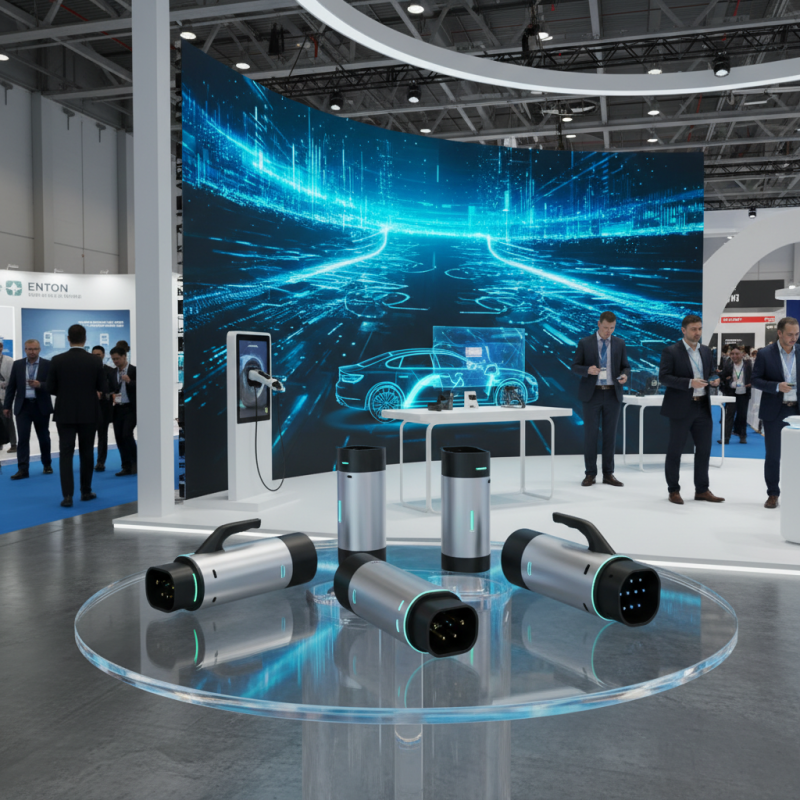
Electric vehicles (EVs) are gaining popularity worldwide. As this trend continues, understanding charging standards becomes essential. The two common types are Type 1 and Type 2. Each serves different regions and vehicle models.
Type 1, mainly used in North America, has a single-phase design. It suits low power requirements but may limit charging speed. On the other hand, Type 2 is popular in Europe. It supports both single-phase and three-phase charging. This flexibility allows for faster charging in various setups.
Many chargers are equipped with Type 2 connectors. This can be confusing for Type 1 users. An adapter is necessary to connect different standards. Choosing the best EV Type 2 to Type 1 adapter is crucial for convenience. Some adapters are bulky and difficult to handle. Others lack safety certifications. Users must research carefully to find reliable options. Local markets may offer limited choices, adding to the challenge. A proper adapter can bridge the gap between different charging standards.
Finding the right adapter is about more than just convenience. Safety is paramount in EV charging. Poor-quality adapters can lead to overheating or even damage. It’s important to ensure compatibility and reliability. Global buyers should review user feedback. This is often overlooked, yet crucial for informed decisions. The evolving landscape of EV charging can sometimes feel overwhelming. However, a clear understanding of these standards simplifies the process.
: The two common standards are Type 1 and Type 2. Each serves different regions and vehicle models.
Type 1 is mainly used in North America. It has a single-phase design suitable for low power requirements.
Type 2 supports both single-phase and three-phase charging. This flexibility allows for faster charging in many setups.
Type 1 users need an adapter to connect to Type 2 chargers. This can be confusing without proper guidance.
Look for compatibility with various EV models. User reviews on reliability can help make informed choices.
No, some adapters lack safety features. Poor-quality adapters can lead to overheating and damage.
High-grade materials enhance conductivity and reduce charging times. Cheaper options often lead to failures and overheating.
Research indicates that about 30% of users face issues with poorly made adapters.
The growing adoption increases demand for compatibility, making adapters essential for seamless travel.
Consider the conditions for usage and specific vehicle needs. This reflection leads to better adapter choices.
The article titled "Best Ev Type 2 To Type 1 Adapter for Global Buyers at 2026 Canton Fair?" delves into the essential aspects of EV charging standards, particularly focusing on the differences between Type 1 and Type 2 connectors. It emphasizes the growing importance of adapters for electric vehicle users worldwide, especially as the market continues to expand. Adapters play a crucial role in ensuring compatibility and accessibility for EV owners, facilitating smooth charging experiences across different charging infrastructure.
Furthermore, the article outlines the criteria necessary for selecting the best Ev Type 2 To Type 1 Adapter, including compatibility, durability, and user-friendliness. It also highlights various top brands that will be showcased at the 2026 Canton Fair, offering valuable insights based on user reviews and feedback. This comprehensive overview serves to assist global buyers in making informed decisions when seeking an appropriate adapter for their electric vehicles.

 Weinuoer