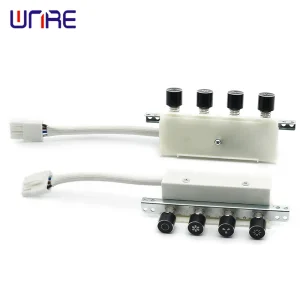
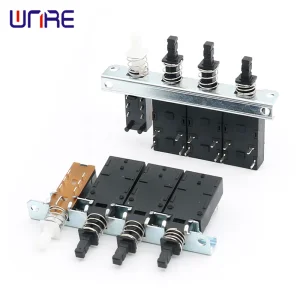
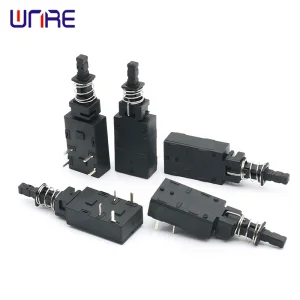
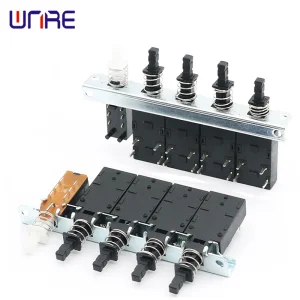
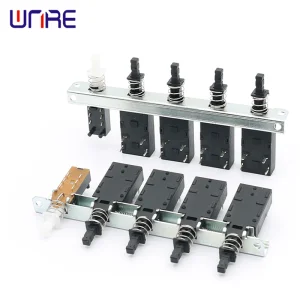
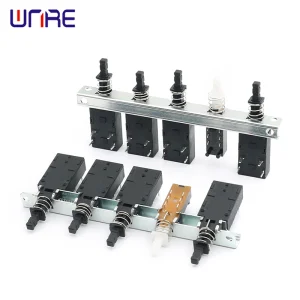
Surface Quality:
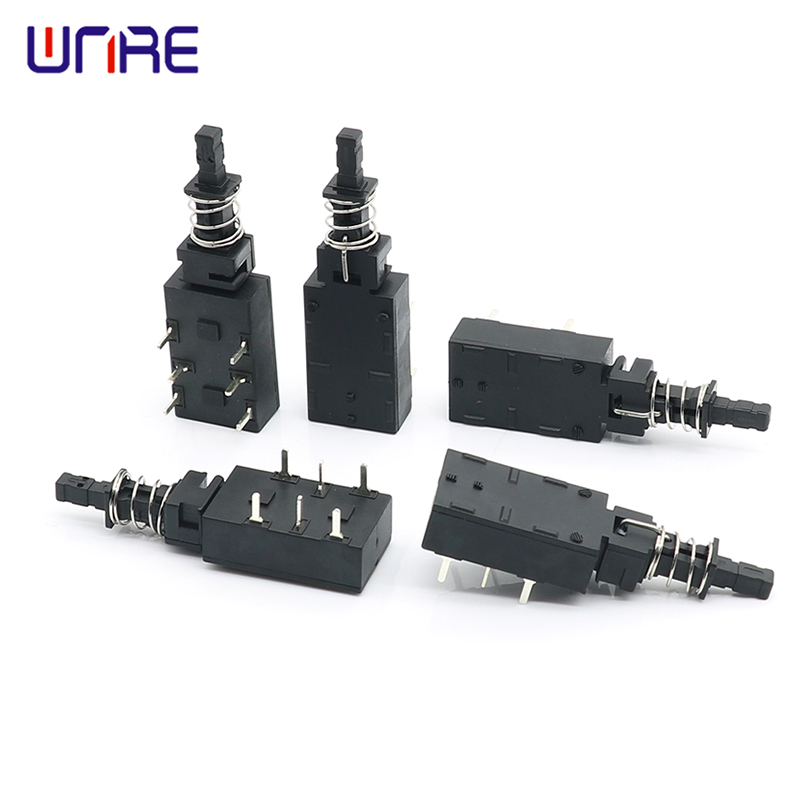
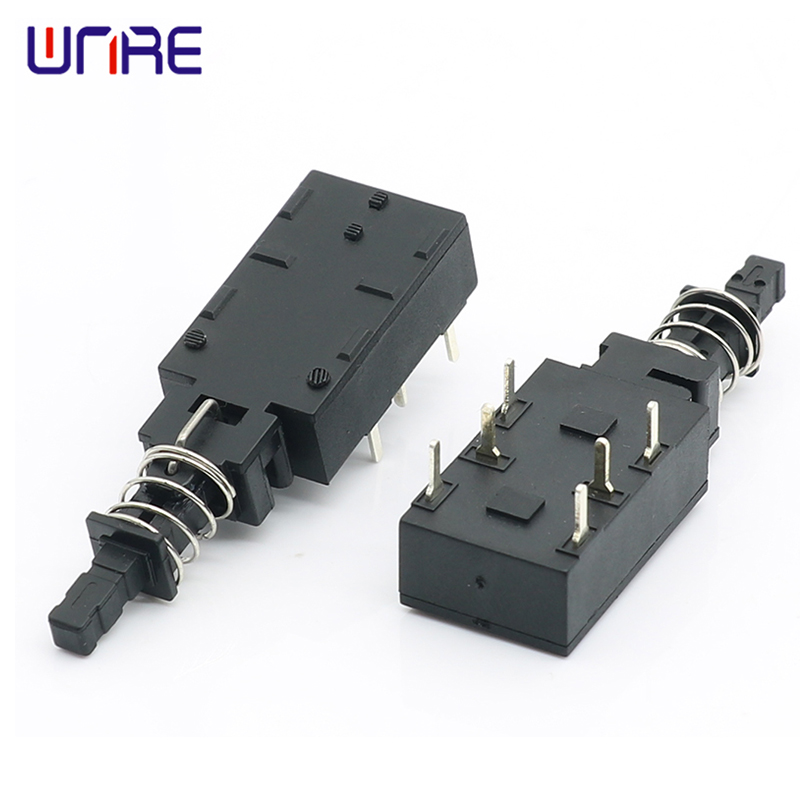
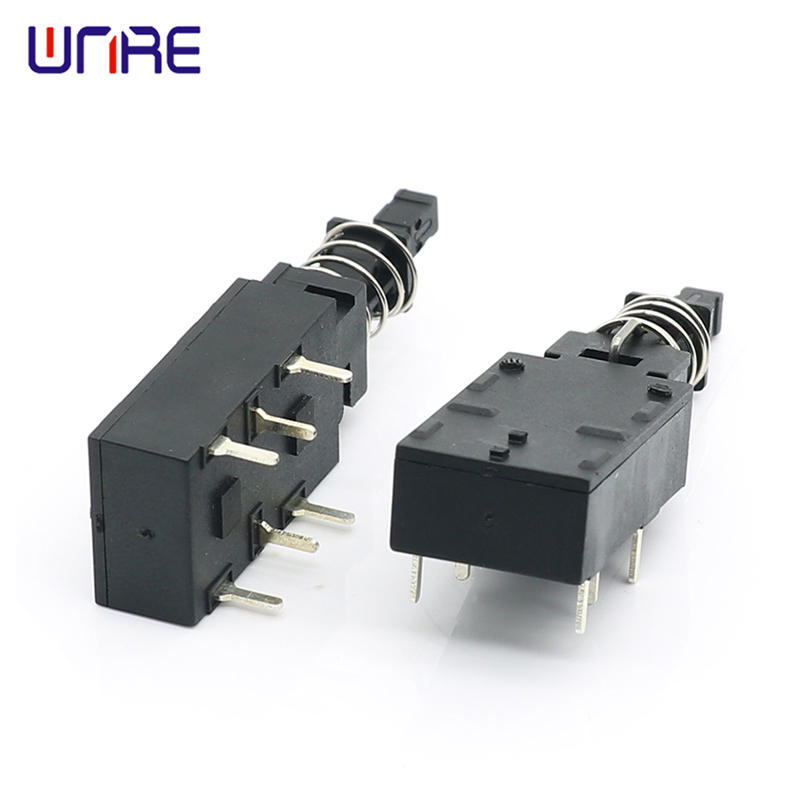
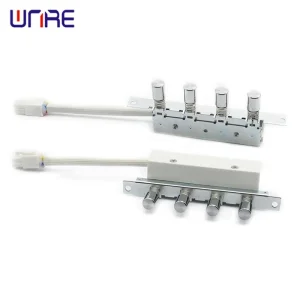
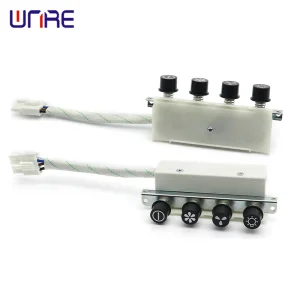
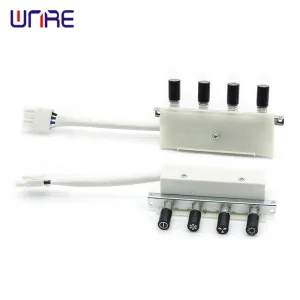
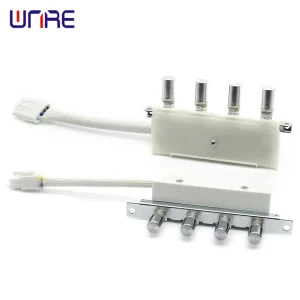
Metal surface should be smooth and not be corroded by rust. Plating should not crease or peel off.
Casing Integrity:
Plastic casing should not be uneven, crude or have any cracks or damage.
Insulation & Voltage:
The insulation of different parts conducting electricity should bear the function of experiment voltage and there are no punctures on it.
Solder & Performance:
90% of the surface will be covered by solder. Without deformation of base, can satisfy mechanical, electronic performance.
Operational Reliability:
Action without blocking phenomenon, button allows the wear surface.
Frequently Asked Questions
1. What are the quality requirements for the metal surface?
The metal surface must be smooth, free of rust corrosion, and the plating must not show any signs of creasing or peeling.
2. How should the plastic casing appear?
The plastic casing should be uniform and smooth, without any crude textures, cracks, or physical damage.
3. What are the insulation standards for the electrical parts?
Insulation must withstand experimental voltage without any punctures occurring between different conducting parts.
4. What is the required coverage for soldering?
At least 90% of the designated surface area must be properly covered by solder to ensure connectivity.
5. Does the product meet mechanical and electronic performance standards?
Yes, as long as there is no deformation of the base, the product satisfies both mechanical and electronic performance requirements.
6. Is the button action smooth during operation?
The action is designed to function without any blocking phenomenon, though the button allows for normal surface wear over time.
 Weinuoer