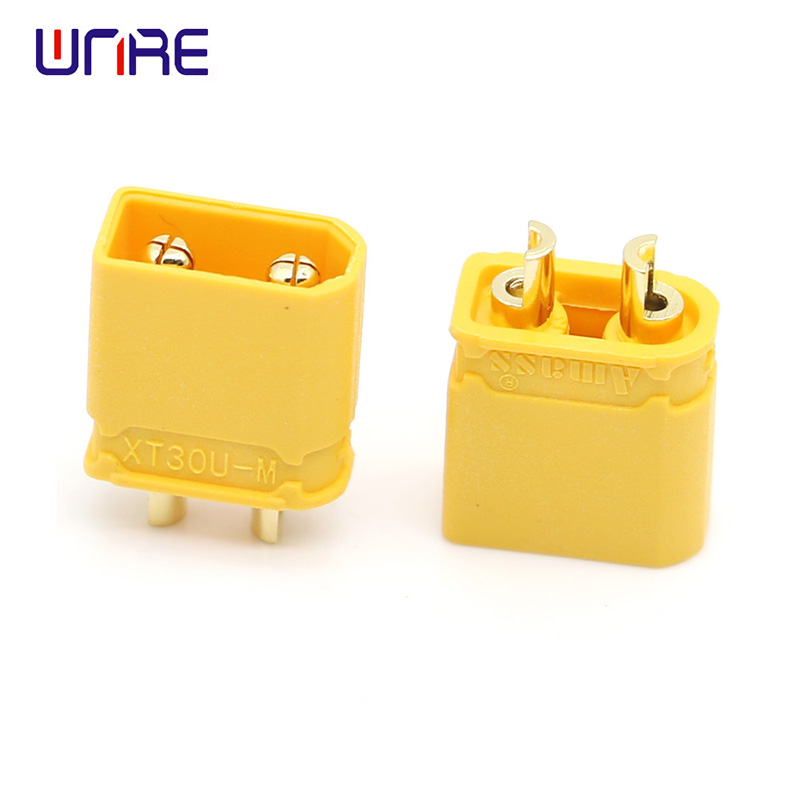
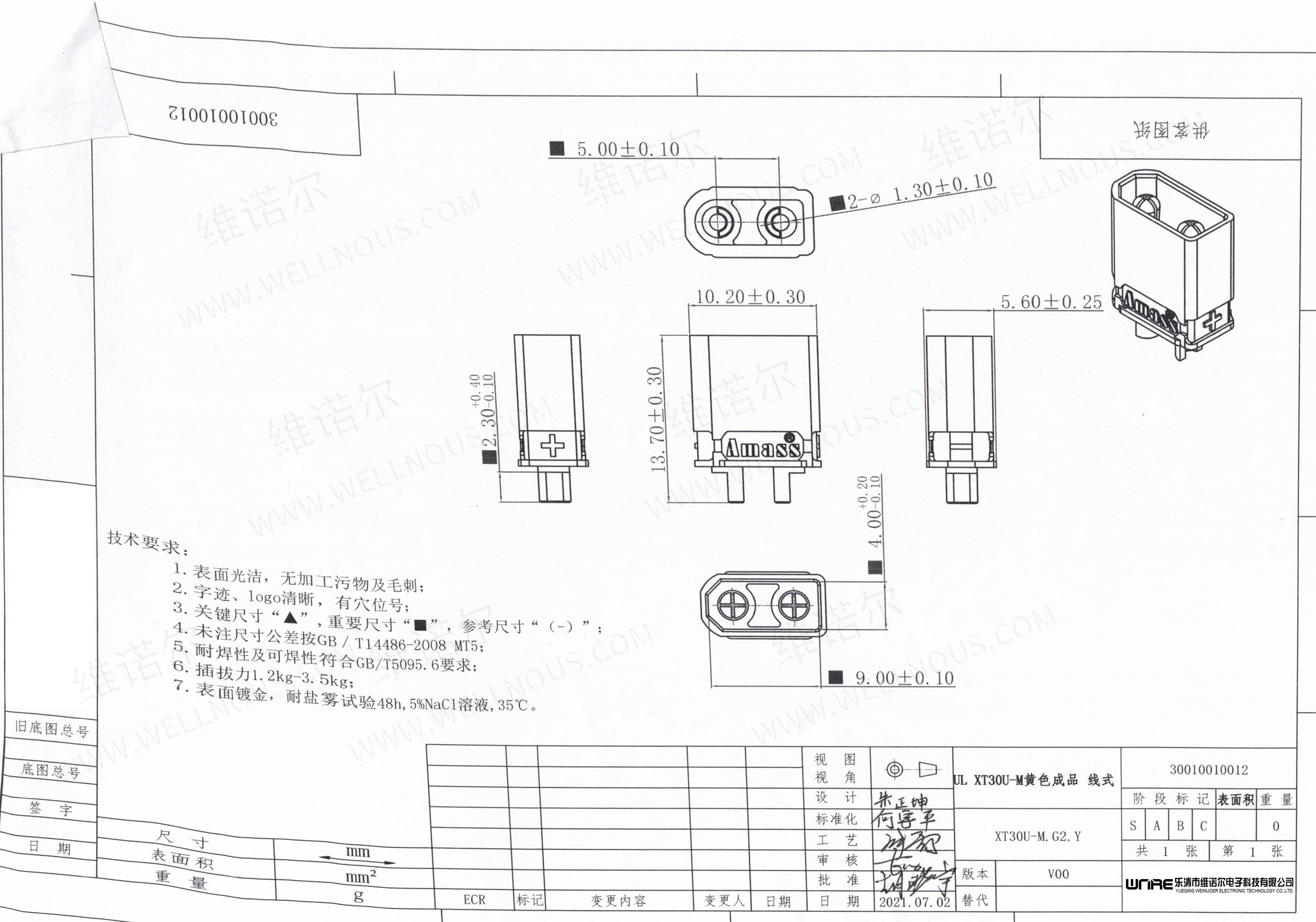
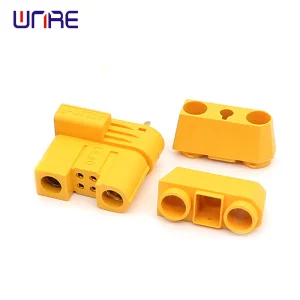
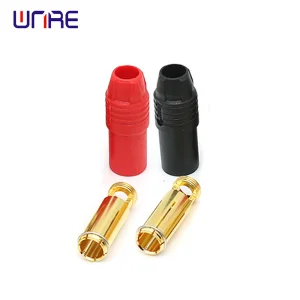
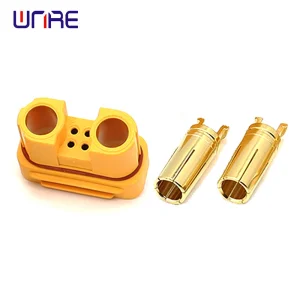
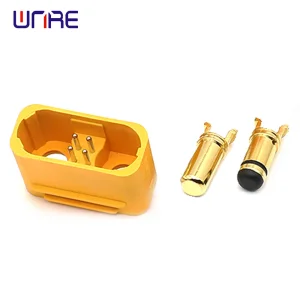
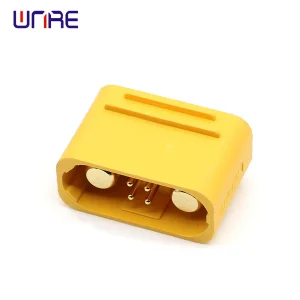
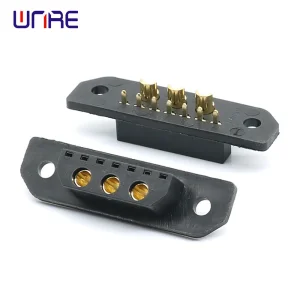
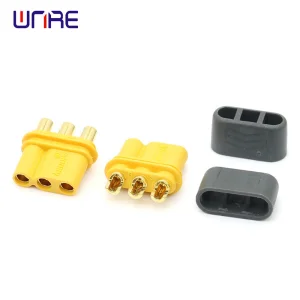
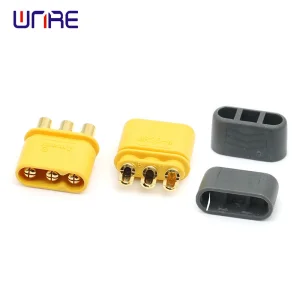
1. XT30U-M is a classic 180° outgoing welded injection molded 2PIN connector, which is the current power lithium power plug-in standard part, and the other wired plate design, the size of a dime.
2. It is used for wiring or baffle connection between lithium battery and controller.
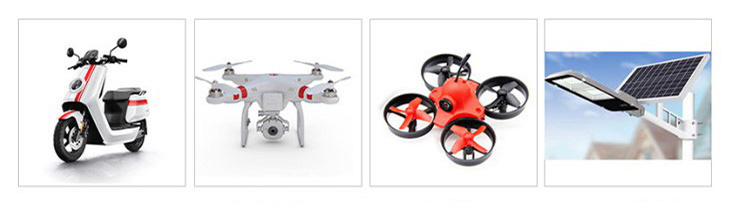
Electric vehicleUAVTraversal machineSolar lamp
Usage Guidelines & Precautions
• Electrical Limits: When in use, do not exceed the rated current and voltage.
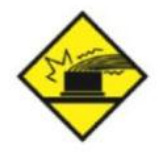
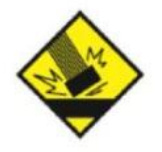
• Mechanical Integrity: When external forces are applied to the connector please do not use it.
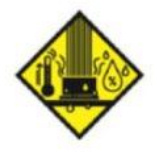
• Environment: Do not use it in a place with high temperature and humidity.
• Handling: When opening the package, please pay attention to avoid deformation, bending, or ejecting of terminals.
Extended Applications
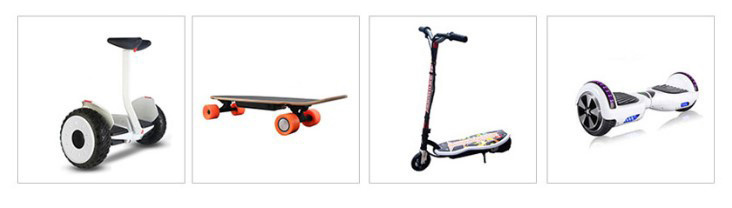
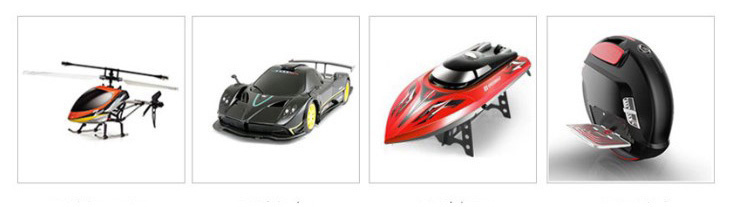
Balancing carElectric scooterTwister
Telecontrolled aircraftTelecarRemote control shipUnicycle
Frequently Asked Questions
What are the primary features of the XT30U-M connector?
The XT30U-M is a compact, 180° outgoing welded injection molded 2PIN connector. Its size is comparable to a dime, making it an ideal standard part for power lithium plug-in applications.
What is the typical use case for this connector?
It is specifically designed for wiring or baffle connections between lithium-ion batteries and their corresponding controllers.
Which types of vehicles and devices use the XT30U-M?
It is widely used in electric vehicles, UAVs (drones), traversal machines, solar lamps, balancing cars, electric scooters, and various remote-controlled models like aircraft, cars, and ships.
Are there any specific environmental restrictions for its use?
Yes, to ensure safety and longevity, the connector should not be used or stored in areas with high temperature or high humidity.
What should I check before installing the connector?
Before installation, ensure that no external forces have damaged the connector and check that the terminals are not deformed or bent, especially after unboxing.
Can the XT30U-M handle any current level?
No, it is critical that the connector is used within its rated current and voltage limits to prevent overheating or electrical failure.
 Weinuoer